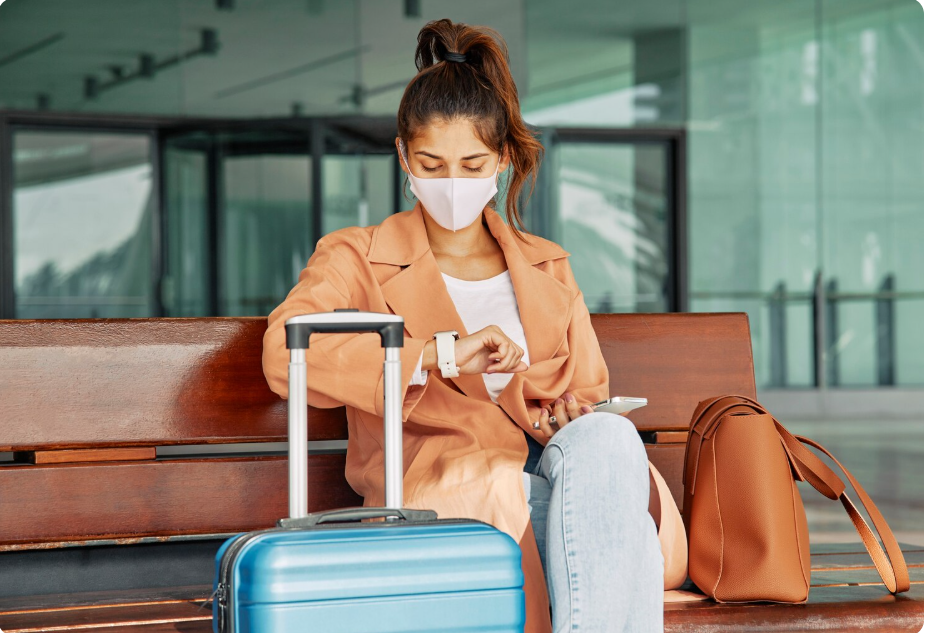
Traveling is exciting and rewarding, but safety should always be a top priority. Whether you’re exploring a new city, venturing abroad, or taking a short weekend getaway, being prepared can prevent problems and ensure a smooth, enjoyable trip. Travel safety involves planning, awareness, and smart habits, allowing you to focus on creating memories instead of worrying about risks.
Research Before You Go
Knowledge is the foundation of travel safety. Before your trip, research your destination’s local laws, cultural norms, and safety concerns. Understand areas to avoid, common scams, and transportation options. Knowing what to expect helps you make informed decisions and reduces potential risks.
Secure Important Documents
Your passport, identification, travel tickets, and insurance details are critical. Keep physical copies separate from originals and store digital copies in a secure cloud or email. Consider carrying a travel wallet or pouch that can be worn discreetly under clothing. Being organized prevents unnecessary stress if documents are lost or stolen.
Stay Connected
Always let someone trustworthy know your travel plans, including your itinerary and accommodations. Use apps or phone services to stay connected, especially when traveling solo. Staying reachable allows friends or family to check on you and provides peace of mind.
Choose Safe Accommodations
Where you stay can significantly impact your safety. Research hotels, hostels, or vacation rentals for reviews, security features, and safe locations. Lock doors and windows, use safes for valuables, and be aware of emergency exits. Choosing reputable accommodations reduces risks and enhances comfort.
Be Aware of Your Surroundings
Situational awareness is key to travel safety. Pay attention to people, traffic, and your environment. Avoid poorly lit areas at night and be cautious with strangers. Trust your instincts—if something feels off, remove yourself from the situation. Staying alert reduces vulnerability to theft, accidents, or other dangers.
Protect Your Finances
Carry a mix of cash, cards, and digital payment options. Avoid displaying large amounts of money or expensive items publicly. Use RFID-blocking wallets if possible and keep backups separate from your main funds. Monitoring spending and keeping financial tools secure minimizes risks while traveling.
Health and Hygiene
Maintaining health is part of safety. Carry essential medications, stay hydrated, and eat from safe, reputable sources. Learn about local health risks and vaccination requirements. Travel insurance covering medical emergencies is highly recommended, especially for international trips. A healthy traveler is a safe traveler.
Transportation Safety
Transportation can be risky if precautions aren’t taken. Use licensed taxis or reputable ride-sharing services, and avoid hitchhiking. Wear seatbelts, helmets, or safety gear as required. When using public transport, stay vigilant, keep belongings close, and know your route in advance.
Technology and Cybersecurity
Traveling often requires digital tools, but cybersecurity is critical. Avoid using public Wi-Fi for sensitive transactions and use VPNs when necessary. Protect devices with passwords or biometric locks, and regularly back up important files. Digital safety helps prevent identity theft, hacking, or financial loss while traveling.
Emergency Preparedness
Being prepared for emergencies is essential. Know local emergency numbers, locate nearby hospitals or police stations, and have a basic first-aid kit. Familiarize yourself with evacuation routes and hotel safety protocols. Preparedness ensures a faster, calmer response to unexpected situations.
Travel Insurance
Travel insurance is an important safety net. It can cover medical emergencies, trip cancellations, lost luggage, or travel delays. Insurance provides peace of mind, allowing you to enjoy your trip without worrying about unexpected costs or complications.
Trust Your Instincts and Stay Calm
Ultimately, safety relies on intuition and composure. If something doesn’t feel right, act accordingly. Remaining calm in stressful situations allows better decision-making and reduces potential harm. Confidence, awareness, and preparation are your best tools for safe travel.
Conclusion
Travel safety is about preparation, awareness, and smart habits. By researching your destination, securing documents, staying connected, maintaining health, and using common sense, you can reduce risks and travel with confidence. Safety allows you to focus on the joys of exploring new places, meeting people, and creating unforgettable experiences.
A secure journey doesn’t mean avoiding adventure—it means embracing it wisely. Prioritizing travel safety ensures that every trip is not only enjoyable but also worry-free, allowing you to return home with memories, not regrets. Whether you’re traveling domestically or internationally, a little planning and vigilance go a long way in keeping your adventures safe and fulfilling.