Sports Technology has transformed the way athletes train, compete, and recover, providing tools that enhance performance and efficiency. From wearable devices to data analytics, technology allows coaches and athletes to make informed decisions, optimize training routines, and minimize the risk of injuries. Understanding and applying sports technology ensures that athletes can reach their full potential while improving overall efficiency and effectiveness in both individual and team sports.
Wearable Devices and Performance Monitoring
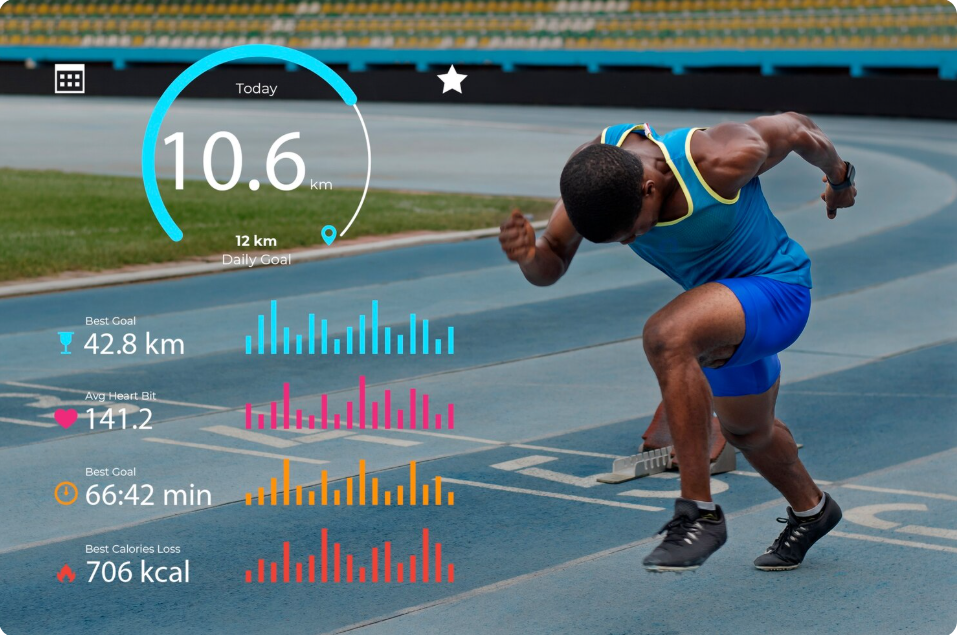
Wearable devices are a cornerstone of sports technology, providing real-time feedback on physical performance. Devices such as heart rate monitors, GPS trackers, and motion sensors help track speed, distance, heart rate, and other critical metrics. This information allows athletes to monitor their progress, adjust training intensity, and identify areas for improvement. Performance monitoring ensures that athletes are training efficiently and achieving measurable results over time.
Data Analytics for Training Optimization
Data analytics is a powerful application of sports technology, enabling coaches and athletes to analyze performance trends and make evidence-based decisions. By examining data from practices, games, and training sessions, coaches can design personalized training programs that target specific weaknesses and enhance strengths. Analytics also helps predict potential injuries by identifying patterns of overuse or fatigue, allowing preventive measures to be taken. Integrating data-driven insights improves both performance and long-term athletic development.
Virtual Reality and Simulation
Virtual reality and simulation technologies are increasingly used in sports to enhance skill development and strategy training. Athletes can practice in virtual environments that replicate real-game scenarios, allowing them to improve decision-making, reaction time, and situational awareness. Sports technology in the form of VR reduces the risk of injury during practice while providing a highly immersive and effective learning experience. Simulations also help athletes mentally prepare for competitions by visualizing plays and strategies.
Recovery and Rehabilitation
Sports technology plays a significant role in recovery and rehabilitation, helping athletes return to peak performance safely. Devices such as compression wear, cryotherapy machines, and advanced physiotherapy equipment accelerate muscle recovery and reduce soreness. Technology also supports monitoring rehabilitation progress, ensuring that athletes recover fully before resuming intense activity. Effective recovery strategies powered by technology enhance athletic longevity and reduce the risk of recurring injuries.
Nutrition and Performance Tracking
Advanced tools in sports technology also support nutrition and performance tracking. Apps and wearable devices can monitor caloric intake, hydration levels, and macronutrient balance to optimize energy availability during training and competition. Tracking nutrition alongside physical performance helps athletes maintain consistent energy levels, improve endurance, and recover effectively. Combining nutritional data with training insights ensures a comprehensive approach to peak performance.
Biomechanics and Motion Analysis
Biomechanics and motion analysis are critical aspects of sports technology that improve technique and efficiency. High-speed cameras, motion capture systems, and software analysis help athletes and coaches study movement patterns, identify inefficiencies, and correct form. Improving biomechanics reduces the risk of injury, enhances power and agility, and ensures that athletes execute skills with maximum effectiveness. Motion analysis provides precise feedback that accelerates skill development and optimizes performance.
Mental Training and Cognitive Tools
Sports technology also supports mental training by providing tools for focus, visualization, and stress management. Cognitive training apps and biofeedback devices help athletes improve concentration, reaction times, and decision-making under pressure. Mental preparedness is a key component of performance, and technology offers innovative ways to strengthen focus and resilience. Combining physical and mental training ensures holistic development for athletes.
Team Coordination and Strategy
In team sports, sports technology enhances coordination and strategy development. Video analysis, tactical software, and communication tools allow coaches to design game plans, analyze opponents, and provide instant feedback. Players can review performance and make adjustments in real time, improving teamwork and efficiency. Technology enables precise coordination, ensuring that strategies are executed effectively during matches and training sessions.
Long-Term Benefits of Sports Technology
The long-term benefits of sports technology extend beyond immediate performance improvements. Athletes can track progress, prevent injuries, and maintain consistent development throughout their careers. Technology also promotes evidence-based training, personalized programs, and continuous improvement. By embracing sports technology, athletes gain a competitive edge while maintaining health, efficiency, and sustainable performance over time.
Conclusion
How sports technology enhances athletic performance and efficiency is evident in every aspect of modern training and competition. From wearable devices and data analytics to biomechanics, recovery tools, and mental training, technology provides insights and support that optimize every element of athletic development. Integrating sports technology into training routines ensures that athletes train smarter, perform better, and maintain long-term health and efficiency. The fusion of innovation and athleticism demonstrates that technology is a vital partner in achieving peak performance.