
There are many ways to benefit from buying real estate as an investor when one wants to create a steady source of income or just buy a house for themselves. Two of the most popular choices among buyers are the purchase of waterfront homes and inland properties, which attract people with various needs for different reasons. These homes are typically favored by those who want to enjoy some recreational activities, while inland properties may be cheaper and allow residents to get access to already formed neighborhoods.
However, the choice is not limited to simply determining the purchase price of a house. Other factors are very important in order to evaluate the success of one’s future real estate investment.
What Makes Waterfront Properties an Attractive Investment?
Properties near lakes, rivers, and other waters have the advantages of being both lifestyle- and investment-oriented. Their value is in the location, recreation, and the type of lifestyle they offer.
High Lifestyle Value
The proximity to water can result in scenic views, boating, fishing, and outdoor activities. People who want relaxation, leisure activities, and a unique living experience may be attracted by such properties.
Lake community properties, like those located around Lake Guntersville in Alabama, may appeal to people who like outdoor activities.
Investment Potential
Waterfront properties in favorable locations may appreciate because of the lack of shoreline and the buyers’ interest in purchasing them. But investors need to consider the factors influencing property prices, like the economic situation and the local market, as there is no guarantee that waterfront property will generate high returns.
Vacation Rentals
If a location is a recreational destination, then the proximity of waterfront properties to water-related activities can bring vacationers looking for a place to stay and leisure. If there is sufficient demand, then the properties can be rented out for vacation.
Waterfront Properties vs. Inland Properties: Key Differences
Prior to making a choice, potential buyers should consider various factors connected with both types of properties in question.
Cost of Purchase: Due to scarcity and exclusivity, waterfront houses cost more money. Inland properties offer more price options to choose from, thus are suitable for various budgets.
Property Valuation: The value of waterfront properties is connected with their location and actual demand for the houses. In the case of inland properties, value depends on the development of the neighborhood.
Rental Returns: Vacation season brings great rental returns for waterfront properties. Inland properties bring stable rental returns in any season of the year because of constant occupancy.
Maintenance and Insurance: Floods, erosion, and bad weather require more maintenance and insurance costs from the owners of waterfront properties. Inland properties require less maintenance expenses.
Buyer Appeal: Waterfront homes are suitable only for some niche buyers, either for vacation or luxurious purposes. Inland properties are suitable for everyone.
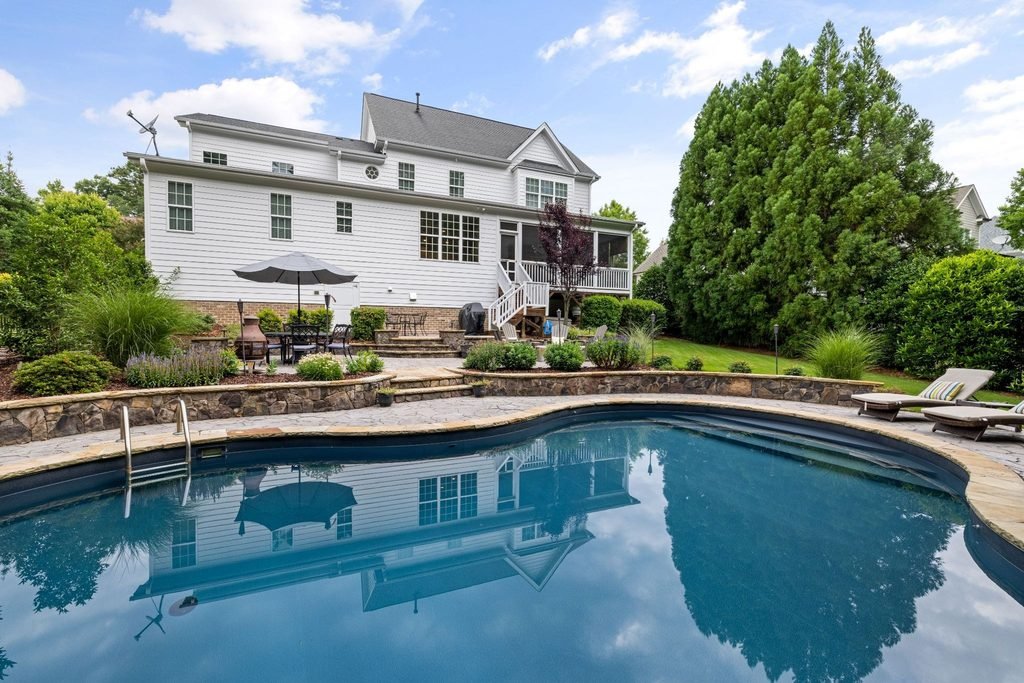
Risks to Consider Before Investing in Waterfront Properties
Even though these properties promise to be profitable investments, you must consider the possible risks before making such an investment, such as:
Environmental Risks: Such factors as flooding, storms, erosion, and different water quality might influence the value of the property and its maintenance expenses.
Increased Expenses for the Property Owner: Increased costs of maintaining the landscaping, docks, retaining walls, and exterior part of the house.
Insurable Risk: Flood insurance can become necessary depending on the region.
Governmental Restrictions: Zoning, shoreline development, building of docks, and renting may be restricted.
Market Changes: Changes in the tourism industry and the rate of interest can affect the price of the property.
The demand from potential buyers can influence the resale and rental prices of the property.
Conclusion
It all depends on whether the buyer wants to buy waterfront or inland properties in regard to their investment goals, finances, and risk-taking abilities. The waterfront homes can be interesting for those buyers who consider recreation, special environment, and vacation rentals as important criteria. The choice of inland property can be interesting for those buyers who need affordable prices, residential neighborhoods, and rentals.
The potential buyers of waterfront houses should do proper research regarding the current local real estate market situation, expected expenses on ownership, demand for rentals, and resale possibilities. This informed approach to decision-making regarding financial considerations can help buyers make a more intelligent choice. Buyers of Guntersville, Alabama waterfront properties should pay attention to brands such as Duckett Pointe to buy waterfront properties.
Frequently Asked Questions
1.Are waterfront homes a better investment than inland properties?
If waterfront homes are located in a profitable market where buyers have high demand and reasonable purchase costs, it would be a solid investment. In other cases, inland properties might be a good choice since their price and rental income will be more affordable. Everything depends on your budget, risk, rental plans, and financial aspirations.
2.What factors affect the resale value of waterfront properties?
A variety of factors could affect the resale value of a property: location, access to the water area, view, condition, local demand, and proximity to amenities. Additionally, flood risks, regulations, insurance costs, and similar sold properties can have an impact on the willingness to purchase the property.
3.Do waterfront properties generate higher rental income?
Yes, some waterfront homes can have a higher rent rate, especially if they are situated in vacation spots. But seasonal needs, vacancy, maintenance, and management costs can influence the profit level of such investments.
4.What additional costs should buyers consider when purchasing waterfront homes?
The following expenses include insurance costs, possible flood insurance, shoreline maintenance, dock repairs, erosion control, property taxes, and regular maintenance work. There may be some other expenses depending on the specific region. The evaluation of insurance costs and thorough inspection of the property will allow the buyers to plan their future expenses related to owning this property.
5.What building restrictions or environmental regulations apply to waterfront homes?
Waterfront homes usually have zoning and environmental restrictions imposed by local authorities. They limit renovation or any construction on the property. Make sure you understand all these restrictions before you buy a home.