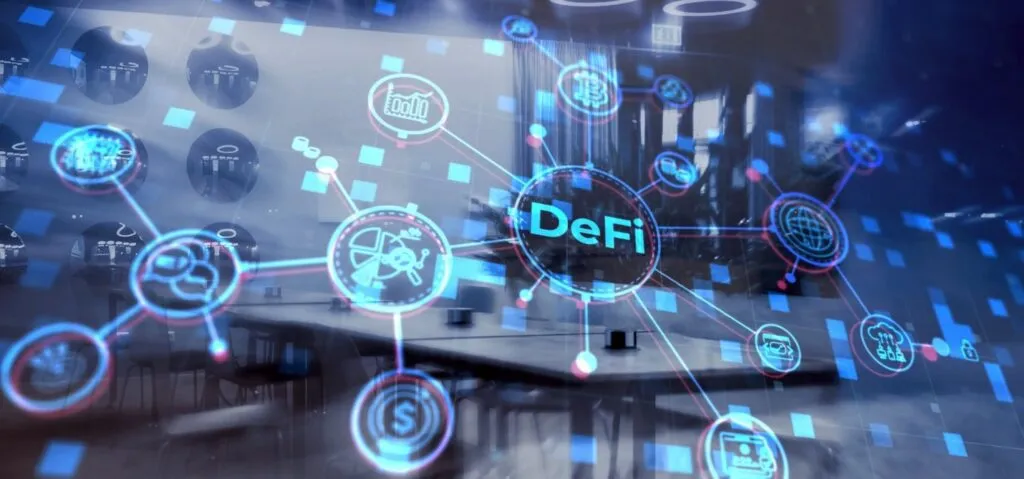
The financial industry has experienced significant transformation with the rise of blockchain technology. One of the most important innovations is decentralized finance, often referred to as DeFi. Instead of relying on banks or traditional financial institutions, decentralized finance enables users to access financial services through blockchain networks and smart contracts.
From lending and borrowing to trading digital assets and earning rewards, DeFi applications provide new ways to manage money while reducing the need for intermediaries. This approach has attracted investors, developers, businesses, and technology enthusiasts worldwide because it offers greater accessibility and transparency.
However, while decentralized financial services provide exciting opportunities, they also involve risks that users should understand before participating. This guide explains how decentralized finance works, its core components, popular use cases, advantages, and the factors every beginner should consider.
What Is Decentralized Finance?
Decentralized finance is a blockchain-based financial ecosystem that allows people to access financial services without depending on centralized institutions such as banks, payment processors, or brokerage firms.
Instead of financial intermediaries, transactions are managed by smart contracts—self-executing programs stored on blockchain networks.
These services may include:
- Digital payments.
- Cryptocurrency trading.
- Lending.
- Borrowing.
- Asset management.
- Yield generation.
- Token exchanges.
The primary objective is to create an open financial system where users maintain greater control over their digital assets.
How DeFi Works
Most decentralized financial applications operate on blockchain networks that support programmable smart contracts.
When users interact with a DeFi application, the smart contract automatically executes predefined rules once the required conditions are met.
For example:
- A borrower provides collateral.
- The smart contract verifies the collateral.
- Funds are released automatically.
- Repayment conditions remain transparent.
- Transactions are recorded permanently on the blockchain.
Because the blockchain maintains the transaction history, participants can verify activity without relying on a central authority.
Core Components of the DeFi Ecosystem
Several technologies work together to support decentralized financial services.
Blockchain Networks
Blockchain technology forms the foundation of the ecosystem.
It provides:
- Distributed record keeping.
- Transaction verification.
- Security through cryptography.
- Transparent transaction history.
Different blockchain networks support various decentralized applications and digital assets.
Smart Contracts
Smart contracts automate financial agreements.
These programs perform actions automatically when predefined conditions are satisfied.
Examples include:
- Loan approvals.
- Token exchanges.
- Interest calculations.
- Reward distribution.
Automation reduces the need for manual processing while increasing operational efficiency.
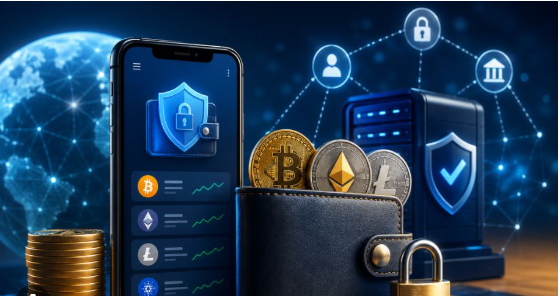
Digital Wallets
Users typically access decentralized financial services through digital wallets.
Wallets enable individuals to:
- Store digital assets.
- Authorize transactions.
- Connect with decentralized applications.
- Manage cryptocurrencies securely.
Maintaining wallet security is an important responsibility because users generally control their own private keys.
Digital Tokens
Many DeFi platforms rely on blockchain-based tokens.
These tokens may serve different purposes, including:
- Governance.
- Payments.
- Liquidity.
- Rewards.
- Collateral.
Different projects use different token models depending on their objectives.
Popular DeFi Applications
The ecosystem continues to expand with new financial services and innovative products.
Decentralized Exchanges
Decentralized exchanges allow users to trade supported digital assets directly with one another.
Instead of relying on centralized order management, transactions are processed using smart contracts.
Potential benefits include:
- Direct asset control.
- Continuous market access.
- Transparent transactions.
Lending Platforms
Users may lend digital assets to earn returns or borrow assets by providing eligible collateral.
These systems automate lending through smart contracts rather than traditional financial institutions.
Borrowing Services
Borrowers can access liquidity without selling certain digital assets by depositing collateral that satisfies platform requirements.
Loan conditions are generally enforced automatically by smart contracts.
Liquidity Pools
Liquidity pools consist of digital assets contributed by users to support decentralized trading platforms.
Participants who contribute eligible assets may receive rewards depending on platform rules and market activity.
Stable Digital Assets
Some decentralized applications use digital assets designed to reduce price volatility by maintaining value relative to reference assets.
These assets are commonly used for payments, lending, and trading within blockchain ecosystems.
Benefits of Decentralized Finance
The growing adoption of decentralized financial services is driven by several potential advantages.
Greater Accessibility
Individuals with internet access and a compatible digital wallet can often access decentralized applications without traditional banking requirements.
This expands financial participation for users in many regions.
Increased Transparency
Blockchain technology records transactions on publicly verifiable ledgers.
This transparency allows users to independently verify many activities occurring within supported networks.
User Control
Unlike traditional financial systems, users generally maintain direct control over their digital assets through their wallets.
This reduces reliance on third-party custodians.
Continuous Availability
Many decentralized applications operate continuously without standard banking hours.
Users can interact with supported services whenever blockchain networks are available.
Innovation
The decentralized ecosystem continues introducing new financial products that explore different approaches to lending, trading, investing, and asset management.
Innovation remains one of the defining characteristics of blockchain-based finance.
Why Businesses and Developers Are Interested
Businesses, developers, and investors continue exploring decentralized financial technologies for several reasons.
Potential areas of interest include:
- Faster transaction processing.
- Global accessibility.
- Reduced dependence on intermediaries.
- Programmable financial services.
- Blockchain transparency.
- New business opportunities.
As blockchain adoption grows, decentralized financial systems continue evolving alongside traditional financial services.
Risks and Challenges
While decentralized finance offers innovative financial opportunities, it is not without risks. Understanding these challenges is essential before using any DeFi platform or investing digital assets.
Smart Contract Vulnerabilities
Smart contracts automate transactions, but they are still software. Programming errors or security flaws may be exploited by attackers, potentially leading to financial losses.
Before using a protocol, users should check whether its smart contracts have undergone independent security audits.
Market Volatility
Most DeFi platforms operate with cryptocurrencies, which can experience significant price fluctuations.
Rapid changes in market value may affect:
- Investment returns.
- Loan collateral.
- Liquidity positions.
- Overall portfolio value.
Investors should understand that digital asset prices can rise or fall dramatically within short periods.
Regulatory Uncertainty
Blockchain technology continues to evolve, and regulations differ from one country to another.
Future regulatory changes may influence:
- Platform operations.
- Tax reporting.
- User accessibility.
- Compliance requirements.
Keeping up with local regulations is an important part of responsible participation.
Liquidity Risks
Some decentralized applications rely on liquidity pools supplied by users.
During periods of market stress, liquidity levels may change, affecting transaction efficiency or pricing.
User Responsibility
Unlike traditional banking, users generally control their own wallets and private keys.
Losing wallet credentials or approving malicious transactions can result in permanent loss of digital assets because many blockchain transactions cannot be reversed.
How to Get Started Safely
Entering the DeFi ecosystem requires preparation and careful decision-making.
Learn the Basics
Before interacting with decentralized applications, understand key concepts such as:
- Blockchain technology.
- Digital wallets.
- Smart contracts.
- Cryptocurrencies.
- Gas fees.
- Network confirmations.
A strong foundation reduces the likelihood of costly mistakes.
Choose a Secure Wallet
Select a reputable wallet that supports the blockchain networks you intend to use.
Important security practices include:
- Creating strong passwords.
- Enabling two-factor authentication where available.
- Backing up recovery phrases securely.
- Never sharing private keys.
Start With Small Transactions
Beginners should test platforms with smaller amounts before committing significant funds.
This allows users to become familiar with wallet connections, transaction confirmations, and platform functionality.
Verify Platform Reputation
Before using any protocol, research:
- Development team.
- Community activity.
- Security audits.
- Project documentation.
- Platform history.
Independent research helps identify well-established projects with stronger security practices.
Understand Transaction Costs
Blockchain transactions usually require network fees.
These fees may vary depending on:
- Blockchain congestion.
- Network selection.
- Transaction complexity.
Review estimated fees before confirming any transaction.
Best Practices for Using DeFi
Responsible participation can improve both security and long-term decision-making.
Diversify Your Holdings
Avoid concentrating all assets in one protocol or one digital currency.
Diversification may help reduce exposure to individual project risks.
Keep Software Updated
Use the latest versions of your wallet software and security tools.
Updates often include important security improvements.
Monitor Your Investments
Review your positions regularly instead of making decisions based solely on short-term market movements.
Monitoring helps you respond appropriately to changing market conditions.
Be Careful With Unknown Projects
Some newly launched projects promise unusually high returns.
Always evaluate:
- Project transparency.
- Security practices.
- Community reputation.
- Documentation quality.
If an opportunity appears too good to be true, additional caution is warranted.
Continue Learning
The blockchain ecosystem evolves rapidly.
Following reputable educational resources and official project announcements helps users stay informed about new developments.
The Future of Decentralized Finance
DeFi continues to expand as blockchain technology matures and more organizations explore decentralized financial infrastructure.
Several trends are expected to shape its future.
Greater Institutional Interest
Financial institutions and technology companies are increasingly studying blockchain-based financial systems.
Some organizations are exploring how decentralized technologies can improve efficiency while maintaining regulatory compliance.
Cross-Chain Interoperability
Future development is expected to improve communication between different blockchain networks.
Greater interoperability could allow users to move digital assets more efficiently across multiple ecosystems.
Improved User Experience
Developers continue working to simplify wallet management, transaction processing, and application interfaces.
More intuitive designs may encourage broader adoption among mainstream users.
Enhanced Security
As the industry matures, security standards, smart contract audits, and risk management practices are expected to improve.
These developments may increase confidence among both individuals and businesses.
Integration With Traditional Finance
Rather than completely replacing conventional financial systems, decentralized finance may increasingly complement traditional banking through hybrid financial solutions.
Why DeFi Matters in Modern Finance
Decentralized finance represents an important step in the evolution of digital financial services.
It introduces new possibilities such as:
- Open financial participation.
- Programmable financial products.
- Peer-to-peer transactions.
- Transparent blockchain records.
- Global accessibility.
- Continuous innovation.
Although the industry remains relatively young, its influence on financial technology continues to grow.
If you’re interested in blockchain technology, cryptocurrency, financial innovation, digital assets, and emerging business trends, Editoriala.com publishes informative articles covering modern finance, technology, entrepreneurship, and digital transformation. The platform provides practical insights that help readers better understand rapidly evolving industries.
Final Thoughts
Decentralized finance is reshaping how people think about financial services by enabling lending, borrowing, trading, and asset management without relying on traditional intermediaries. Powered by blockchain technology and smart contracts, DeFi has created opportunities for greater transparency, accessibility, and financial innovation.
At the same time, users must recognize that decentralized systems involve technical, market, and security risks. Careful research, secure wallet management, diversification, and continuous learning are essential for participating responsibly. As blockchain technology continues to develop, decentralized finance is likely to remain one of the most influential areas within the digital economy.
Frequently Asked Questions
What is decentralized finance?
Decentralized finance, commonly known as DeFi, is a blockchain-based financial system that allows users to access services such as lending, borrowing, trading, and investing without relying on traditional financial institutions.
How does decentralized finance work?
It uses smart contracts on blockchain networks to automate financial transactions according to predefined rules, reducing the need for intermediaries.
Is decentralized finance safe?
DeFi can be secure when using reputable platforms and following good security practices, but it also carries risks such as smart contract vulnerabilities, market volatility, and user errors.
What are the main benefits of decentralized finance?
Key advantages include greater financial accessibility, transparency, user control over assets, continuous availability, and support for innovative financial applications.
Do I need a bank account to use DeFi?
Many decentralized applications can be accessed with a compatible digital wallet and supported cryptocurrencies, although requirements vary by platform and region.
What are smart contracts?
Smart contracts are self-executing blockchain programs that automatically perform transactions or agreements when predefined conditions are met.
Who should learn about decentralized finance?
Anyone interested in blockchain technology, cryptocurrency, digital investing, financial innovation, or emerging financial systems can benefit from understanding the fundamentals of decentralized finance.