Maharashtra politics has produced several influential regional leaders, but few have experienced a political journey as dramatic as Uddhav Thackeray. From working behind the scenes in a party founded by his father to becoming the Chief Minister of Maharashtra, his career has been shaped by leadership changes, major alliances, electoral battles, and one of the most important political splits in the state’s recent history.
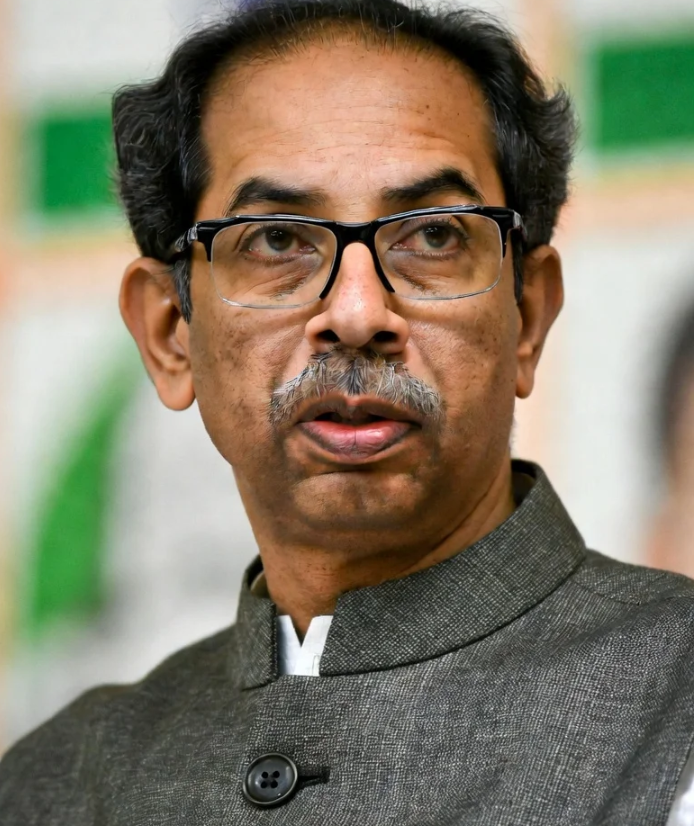
Uddhav Thackeray is an Indian politician and the leader of Shiv Sena Uddhav Balasaheb Thackeray, commonly known as Shiv Sena UBT. He served as the Chief Minister of Maharashtra from November 2019 to June 2022. His political identity is closely connected with Shiv Sena, Marathi regional politics, Hindutva, and the legacy of his father, Bal Thackeray.
Interest in Uddhav Thackeray has increased because of the continuing battle over the Shiv Sena legacy. The 2022 rebellion led by Eknath Shinde divided the party and changed Maharashtra’s political landscape. Since then, Uddhav has attempted to rebuild his political organization under a new party name and symbol.
This complete guide explains his early life, political rise, chief minister tenure, Shiv Sena split, leadership approach, electoral performance, and continuing importance in Maharashtra politics.
Who Is Uddhav Thackeray
Uddhav Balasaheb Thackeray is a prominent Maharashtra politician and former Chief Minister of the state. He was born on July 27, 1960, into the Thackeray family, which has played an important role in Maharashtra’s regional politics.
His father, Bal Thackeray, founded Shiv Sena in 1966. The party developed a strong political base around Marathi identity and later became closely associated with Hindutva politics.
Unlike some politicians who enter public life through student elections or local government, Uddhav initially maintained a relatively low political profile. He was known for his interest in photography and gradually became more involved in the organization of Shiv Sena.
His rise changed the leadership structure of the party. After Bal Thackeray’s death in 2012, Uddhav became the central leader responsible for protecting the party’s political network and legacy.
Today, he leads Shiv Sena UBT and remains a major opposition figure in Maharashtra.
Early Life and the Thackeray Family
Uddhav Thackeray grew up in a family closely connected with politics, social movements, and public communication. His father was not simply a party leader but a powerful political figure whose speeches and political campaigns influenced Maharashtra for decades.
Growing up in this environment gave Uddhav direct exposure to Shiv Sena’s organizational culture. However, his personality was often described as different from his father’s aggressive public style.
Uddhav developed a strong interest in photography. His work particularly included aerial and landscape photography, and this creative background remained an important part of his public profile.
Politics gradually became his main responsibility as Shiv Sena prepared for leadership transition.
The Thackeray family itself has experienced political divisions. Raj Thackeray, Uddhav’s cousin, left Shiv Sena and later founded the Maharashtra Navnirman Sena. Years later, Uddhav faced another much larger organizational challenge when Eknath Shinde led a rebellion within Shiv Sena.
These events have made family legacy and political succession recurring themes in discussions about Uddhav Thackeray.
How Uddhav Thackeray Entered Active Politics
Uddhav Thackeray became increasingly active in Shiv Sena during the early 2000s. His organizational responsibilities grew as the party prepared for a future beyond Bal Thackeray’s direct leadership.
In 2003, Uddhav was appointed working president of Shiv Sena. This was an important step because it formally established his leadership role within the organization.
He focused on party management, election strategy, and communication with Shiv Sena workers. His political style was generally considered calmer than Bal Thackeray’s confrontational approach.
Leadership transition was not completely smooth. Raj Thackeray was also a popular figure among sections of Shiv Sena supporters. Political differences eventually resulted in Raj leaving the party and establishing the Maharashtra Navnirman Sena in 2006.
Uddhav continued to consolidate his position within Shiv Sena.
After Bal Thackeray died in November 2012, Uddhav became the most important leader of the party. He faced the difficult task of maintaining a political organization strongly identified with its founder.
Leadership of Shiv Sena
Leading Shiv Sena after Bal Thackeray required Uddhav Thackeray to balance political tradition with changing electoral realities.
The party had a long alliance with the Bharatiya Janata Party. Shiv Sena and the BJP shared a Hindutva political space and worked together in Maharashtra and national politics for many years.
However, the relationship also involved competition. Both parties wanted greater influence in Maharashtra, and disagreements over seats and leadership became increasingly visible.
Uddhav attempted to preserve Shiv Sena’s Marathi identity while expanding its political message. The party continued to use its strong network of local workers, known as Shiv Sainiks.
Mumbai remained especially important to Shiv Sena’s political identity. Control and influence in the Brihanmumbai Municipal Corporation had historically provided the party with a major urban political base.
Under Uddhav’s leadership, the party faced a stronger BJP, changing voter expectations, and internal questions about the future direction of Shiv Sena.
These pressures became particularly important after the 2019 Maharashtra Assembly election.
The 2019 Maharashtra Political Crisis
The 2019 Maharashtra Assembly election became a turning point in Uddhav Thackeray’s political career.
The BJP and Shiv Sena contested the election as allies. After the results, however, serious disagreements emerged over government formation and the chief minister’s position.
Shiv Sena claimed there had been an understanding about sharing the chief minister’s post. The BJP disputed this interpretation.
The disagreement ended the long political partnership between the two parties.
Maharashtra then experienced weeks of political uncertainty. A short-lived government involving Devendra Fadnavis and Ajit Pawar was formed but collapsed within days.
Shiv Sena subsequently joined with the Indian National Congress and the Nationalist Congress Party to create the Maha Vikas Aghadi alliance.
The alliance was politically unusual because Congress and the NCP had historically opposed Shiv Sena on several ideological issues.
Uddhav Thackeray emerged as the alliance’s choice for Chief Minister. He took the oath of office on November 28, 2019.
Uddhav Thackeray as Maharashtra Chief Minister
Becoming Chief Minister represented a major transformation in the career of Uddhav Thackeray. Before 2019, he had primarily worked as a party leader rather than holding a major government position.
His administration was supported by the Maha Vikas Aghadi coalition of Shiv Sena, Congress, and the NCP.
Managing this alliance required political coordination among parties with different ideological histories. The government faced questions from the beginning about whether such a coalition could remain stable.
One of the biggest challenges arrived only months after Uddhav became Chief Minister. The COVID-19 pandemic created a serious public health and administrative crisis.
Maharashtra, particularly Mumbai, reported large numbers of infections during different stages of the pandemic. The state government had to manage hospitals, restrictions, public communication, economic disruption, and vaccination efforts.
Supporters praised Uddhav’s communication style during the crisis, while political opponents criticized aspects of restrictions, administration, and government decisions.
His chief minister tenure also included major political disputes with the BJP and controversies involving members of the coalition government.
Leadership During the COVID-19 Pandemic
The COVID-19 period became a defining part of Uddhav Thackeray’s tenure as Chief Minister.
Maharashtra was one of the states most seriously affected during the early pandemic. Mumbai’s high population density and importance as an economic centre created difficult administrative conditions.
Uddhav frequently communicated with citizens through televised and online addresses. His calm presentation became an important part of his public leadership image.
The government introduced restrictions and worked to increase health infrastructure. Mumbai’s management of the pandemic attracted national and international attention at different stages.
However, the economic effects of lockdowns were severe. Businesses, workers, and families faced financial pressure. Opposition parties questioned government policies and highlighted problems in health services.
Evaluating pandemic leadership remains politically contested. Supporters describe Uddhav’s approach as calm and responsible, while critics focus on administrative shortcomings and economic consequences.
For his political biography, the pandemic is important because it moved Uddhav from primarily regional party politics into a highly visible executive leadership role.
The 2022 Shiv Sena Rebellion
The biggest political crisis of Uddhav Thackeray’s career began in June 2022.
Senior Shiv Sena leader Eknath Shinde and a large group of party legislators rebelled against Uddhav’s leadership. The rebel group argued that Shiv Sena had moved away from its traditional political direction by joining Congress and the NCP.
The rebellion quickly threatened the Maha Vikas Aghadi government’s majority.
Shinde and supporting legislators moved outside Maharashtra as the political crisis developed. Both groups claimed to represent the true values and legacy of Shiv Sena.
The number of legislators supporting the rebellion placed Uddhav’s government in a difficult position.
As the possibility of a floor test increased, Uddhav Thackeray resigned as Chief Minister on June 29, 2022.
Eknath Shinde later became Chief Minister with BJP support. Devendra Fadnavis became Deputy Chief Minister.
The rebellion did more than remove Uddhav from government. It created a direct battle over Shiv Sena’s organization, identity, legislators, name, and election symbol.
Shiv Sena Split and the UBT Identity
After the 2022 rebellion, the Election Commission became involved in the dispute between the two Shiv Sena groups.
In February 2023, the Election Commission recognized the Eknath Shinde-led faction as Shiv Sena and allotted it the party’s traditional bow and arrow symbol.
The Uddhav-led organization continued as Shiv Sena Uddhav Balasaheb Thackeray and uses the flaming torch election symbol.
Uddhav Thackeray challenged important aspects of the party dispute through legal proceedings. The conflict has remained a significant issue in Maharashtra politics.
For Uddhav, losing the original party name and bow and arrow symbol was a major political challenge. Shiv Sena had used its traditional identity for decades.
His strategy then focused on connecting the UBT organization directly with Bal Thackeray’s legacy and presenting his faction as the political continuation of the original movement.
The rivalry between Uddhav and Shinde became a competition for the support of traditional Shiv Sena voters and workers.
What Is Shiv Sena UBT
Shiv Sena UBT is the political party led by Uddhav Thackeray after the division of the original Shiv Sena.
The full name is Shiv Sena Uddhav Balasaheb Thackeray. The inclusion of Balasaheb Thackeray’s name is politically significant because the party strongly emphasizes its connection with the Shiv Sena founder.
The party is associated with the flaming torch symbol.
Uddhav serves as the central leader of the organization, while other prominent figures have included Aaditya Thackeray and Sanjay Raut.
Shiv Sena UBT has continued its cooperation with opposition parties through the Maha Vikas Aghadi in Maharashtra and the INDIA opposition alliance at the national level.
The party faces the challenge of maintaining its traditional Marathi voter base while working with parties that were once Shiv Sena’s major political opponents.
Its political future depends heavily on organization, local leadership, alliance strategy, and its ability to compete with the Shinde-led Shiv Sena.
Uddhav Thackeray and the 2024 Lok Sabha Election
The 2024 Lok Sabha election was an important political test for Uddhav Thackeray and Shiv Sena UBT.
The party contested 21 Lok Sabha seats and won nine. Its performance provided a significant political boost after the 2022 split.
The result showed that the UBT faction retained an electoral base despite losing the original Shiv Sena name and bow and arrow symbol.
The election was also important because voters directly compared candidates associated with the rival Sena factions in several constituencies.
For Uddhav, the nine-seat result strengthened the argument that his organization remained politically relevant.
However, electoral politics in Maharashtra continued to change rapidly. The 2024 Maharashtra Assembly election produced a much more difficult result for the opposition Maha Vikas Aghadi.
This difference between parliamentary and state election performance demonstrated the challenges of maintaining voter support across different elections.
Uddhav Thackeray therefore continued to face pressure to strengthen party organization and refine his political strategy.
Maharashtra Assembly Election Challenges
The 2024 Maharashtra Assembly election was a major setback for the Maha Vikas Aghadi.
The Mahayuti alliance achieved a decisive victory, while opposition parties won significantly fewer seats.
Shiv Sena UBT faced direct competition from the Eknath Shinde-led Shiv Sena. This battle was especially important because both groups were seeking support from voters historically associated with the undivided party.
The results raised questions about the future strategy of Uddhav Thackeray.
Winning Lok Sabha seats had demonstrated political relevance, but the Assembly result showed that the party needed stronger performance across Maharashtra’s state constituencies.
Uddhav continued to emphasize party loyalty, Marathi interests, and opposition to the BJP-led political structure.
For Shiv Sena UBT, electoral rebuilding requires more than relying on the Thackeray name. The party must maintain local workers, develop candidates, address voter concerns, and manage alliance relationships.
These challenges remain central to Uddhav’s current political position.
Political Ideology and Leadership Style
Uddhav Thackeray’s political style is frequently compared with that of Bal Thackeray.
Bal Thackeray was famous for aggressive speeches and a highly confrontational political personality. Uddhav generally uses a calmer public style, although his political speeches can contain strong attacks on opponents.
His leadership has also been associated with a change in Shiv Sena’s alliance strategy.
The decision to form a government with Congress and the NCP created intense debate about Hindutva and Shiv Sena’s ideological direction.
Uddhav has argued for his interpretation of Hindutva while criticizing the BJP’s politics. His opponents claim that the alliance with Congress represented a departure from Bal Thackeray’s political position.
This ideological debate remains important in the competition between the UBT and Shinde factions.
Uddhav also strongly emphasizes Maharashtra, Marathi identity, and regional self-respect.
His political challenge is to combine the traditional Shiv Sena legacy with a broader opposition strategy in a changing electoral environment.
Aaditya Thackeray and the Next Generation
Aaditya Thackeray, the son of Uddhav Thackeray, has become an important leader within Shiv Sena UBT.
His rise represents another generation of the Thackeray family’s involvement in Maharashtra politics.
Aaditya has served as a member of the Maharashtra Legislative Assembly and held a ministerial position in the Maha Vikas Aghadi government.
He has frequently focused on issues involving urban development, the environment, young voters, and Maharashtra politics.
The relationship between Uddhav and Aaditya is important for the future of Shiv Sena UBT. Uddhav remains the party’s main leader, while Aaditya provides a younger public face.
Political opponents often criticize dynastic politics, and the Thackeray family is regularly included in this debate.
Supporters, however, argue that political leadership ultimately depends on voter support and party organization.
How Aaditya’s role develops may influence the long-term direction of the UBT organization.
Current Political Position of Uddhav Thackeray
As of 2026, Uddhav Thackeray remains the chief of Shiv Sena UBT and an active opposition leader in Maharashtra.
His party continues to face intense competition from the Eknath Shinde-led Shiv Sena. The political and legal dispute connected with the Sena split remains significant.
Recent developments have also created internal pressure for the UBT organization. Party loyalty and defections have become major concerns, with Uddhav publicly addressing the confidence of party workers.
At the same time, the UBT political base remains important, particularly in Mumbai politics. The continuing competition between the two Sena groups shows that the struggle over the Shiv Sena legacy is not simply a historical dispute.
Uddhav continues to criticize the BJP and Shinde leadership while attempting to protect his party organization.
His future influence will depend on electoral results, legal developments, alliance decisions, and his ability to retain leaders and grassroots workers.
Why Uddhav Thackeray Remains Important
Uddhav Thackeray remains important because his career connects several major phases of modern Maharashtra politics.
He represents the Thackeray family legacy and the transition of Shiv Sena after Bal Thackeray. He also led the party through the end of its long alliance with the BJP in 2019.
His decision to join Congress and the NCP created one of Maharashtra’s most unusual political coalitions.
As Chief Minister, he governed during the COVID-19 pandemic. The 2022 rebellion then removed him from office and divided the party he had led.
Despite losing the original Shiv Sena name and symbol, Uddhav rebuilt his organization under the UBT identity and won nine Lok Sabha seats in 2024.
His political journey includes leadership, government, rebellion, legal disputes, and electoral rebuilding.
For this reason, discussions about Maharashtra’s political future frequently include Uddhav, Eknath Shinde, Devendra Fadnavis, Sharad Pawar, and other major state leaders.
Final Thoughts
Uddhav Thackeray has experienced one of the most dramatic political journeys in modern Maharashtra. He moved from photography and behind-the-scenes party work to Shiv Sena leadership and eventually became Chief Minister of Maharashtra.
His government faced the COVID-19 crisis and the challenge of managing the ideologically diverse Maha Vikas Aghadi coalition. The 2022 rebellion led by Eknath Shinde ended his government and created a historic split in Shiv Sena.
Uddhav Thackeray now leads Shiv Sena UBT and continues to compete for the political legacy and voter base associated with the original party. The nine-seat Lok Sabha performance in 2024 showed continuing electoral relevance, while later political challenges highlighted the difficult rebuilding process.
His future will depend on party unity, election strategy, alliances, and developments in the continuing Sena dispute. Regardless of political opinion, Uddhav Thackeray remains a central figure in understanding the changing political landscape of Maharashtra.
Frequently Asked Questions
Who is Uddhav Thackeray?
Uddhav Thackeray is an Indian politician, former Chief Minister of Maharashtra, and the current leader of Shiv Sena Uddhav Balasaheb Thackeray.
When was Uddhav Thackeray Chief Minister of Maharashtra?
He served as Maharashtra Chief Minister from November 28, 2019, until his resignation on June 29, 2022.
Why did Shiv Sena split in 2022?
The party split after Eknath Shinde led a rebellion involving a large group of Shiv Sena legislators who challenged Uddhav’s leadership and alliance strategy.
What is the political party of Uddhav Thackeray?
Uddhav Thackeray leads Shiv Sena Uddhav Balasaheb Thackeray, commonly called Shiv Sena UBT.
Is Uddhav Thackeray still active in politics?
Yes. Uddhav Thackeray remains active as Shiv Sena UBT chief and continues to play an important role in Maharashtra opposition politics.
Read More: Hans India ePaper Complete Guide to Digital Editions and Latest News