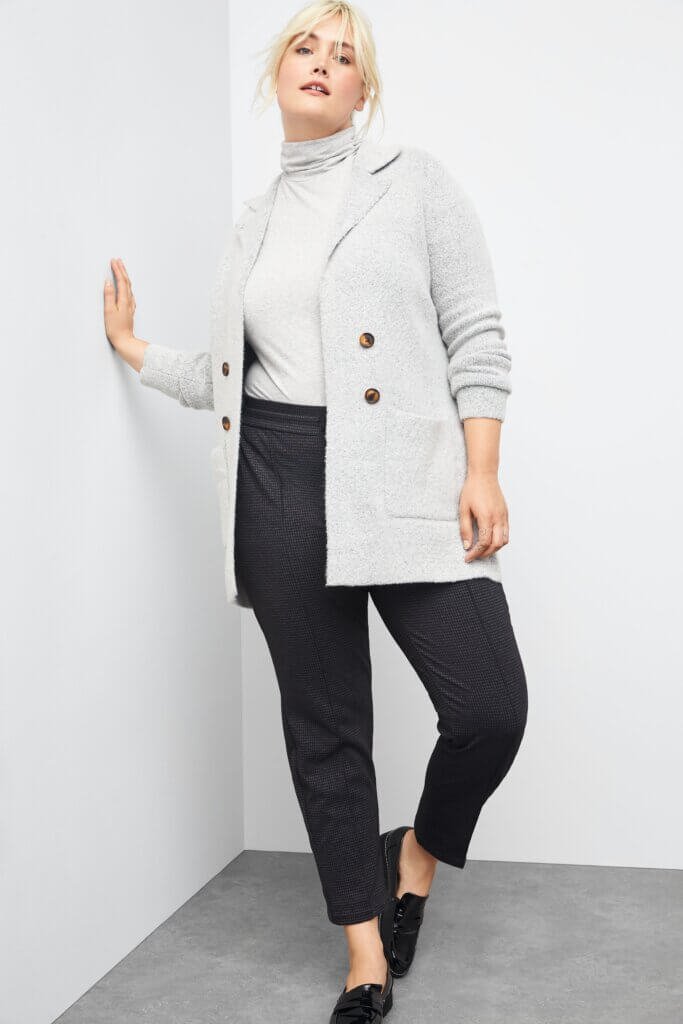
Choosing the right workplace outfit can help create a polished, professional, and confident appearance. Business casual women fashion combines comfort with sophistication, offering flexible outfit choices that suit modern offices, meetings, and professional events. While dress codes vary between workplaces, business casual clothing generally balances formal business attire with relaxed everyday fashion.
Whether starting a new job, updating a professional wardrobe, or looking for office outfit inspiration, understanding business casual women style helps create versatile looks that remain appropriate for different workplace environments. This guide explains wardrobe essentials, outfit combinations, footwear, accessories, and styling tips for professional success.
Business Casual Women Quick Overview
| Category | Details |
|---|---|
| Dress Code | Professional but relaxed |
| Best For | Offices, meetings, business events |
| Style Focus | Comfortable and polished |
| Common Clothing | Blazers, trousers, blouses, dresses |
| Footwear | Flats, loafers, low heels |
| Accessories | Minimal and professional |
What Does Business Casual Mean
Business casual women attire refers to clothing that is more relaxed than traditional business formal wear while maintaining a professional appearance. It allows greater flexibility in clothing choices without appearing overly casual.
Typical business casual outfits often include:
- Tailored trousers
- Blouses
- Cardigans
- Blazers
- Knee-length dresses
- Professional skirts
The exact dress code depends on company culture and workplace expectations.
Why Business Casual Women Fashion Is Popular
Many workplaces prefer business casual women dress codes because they provide a balance between professionalism and comfort.
Popular advantages include:
- Greater comfort
- Professional appearance
- Wardrobe flexibility
- Easy outfit combinations
- Suitable for various office environments
- Practical everyday wear
This style supports both confidence and workplace professionalism.
Essential Wardrobe Pieces
Building a professional wardrobe begins with versatile clothing that can be mixed and matched for different occasions.
Blazers
A well-fitted blazer instantly creates a polished business appearance and pairs easily with trousers, skirts, or dresses.
Blouses
Neutral-colored blouses remain a staple of professional wardrobes and work well in nearly every office setting.
Tailored Trousers
Classic tailored pants provide comfort while maintaining a clean and professional look.
Pencil And A-Line Skirts
Professional skirts paired with blouses or knit tops create timeless office outfits.
Dresses
Simple sheath or midi dresses often work well for business casual environments when paired with professional footwear.
Best Colors For Office Wear
Neutral colors remain the foundation of most business casual women wardrobes.
Popular color choices include:
- Black
- Navy
- Gray
- White
- Beige
- Olive
- Soft blue
- Cream
Adding subtle accent colors through accessories or blouses can create visual interest while maintaining professionalism.
Choosing Professional Footwear
Shoes complete every business outfit and should balance comfort with style.
Popular footwear options include:
- Loafers
- Ballet flats
- Block heels
- Closed-toe pumps
- Professional ankle boots
- Low-heel sandals where appropriate
Comfortable footwear becomes especially important for professionals who spend long hours standing or walking.
Accessories That Complete The Look
Accessories should complement professional outfits without becoming distracting.
Common choices include:
- Simple watches
- Minimal jewelry
- Structured handbags
- Leather belts
- Lightweight scarves
- Professional tote bags
Keeping accessories understated often creates a more polished appearance.
Seasonal Outfit Ideas
Professional wardrobes can easily adapt throughout the year.
Spring
Lightweight blazers, ankle trousers, and pastel blouses provide comfortable office outfits.
Summer
Breathable fabrics, modest dresses, and lightweight cardigans help maintain comfort while meeting workplace expectations.
Autumn
Layered outfits with knit sweaters, tailored trousers, and structured jackets work well during cooler weather.
Winter
Wool coats, professional boots, sweaters, and warm blazers create polished winter office looks.
Common Business Casual Mistakes
Even flexible dress codes have professional expectations.
Common mistakes include:
- Clothing that is too casual
- Wrinkled garments
- Excessively bright graphics
- Athletic wear
- Flip-flops
- Overly revealing clothing
Maintaining neat, well-fitted clothing helps project a confident professional image.
Building A Capsule Wardrobe
A capsule wardrobe allows professionals to create numerous outfit combinations using a limited number of versatile pieces.
Recommended essentials include:
- Neutral blazer
- White blouse
- Black trousers
- Navy trousers
- Professional dress
- Pencil skirt
- Cardigan
- Comfortable loafers
These core items provide flexibility for everyday workplace dressing while simplifying outfit planning.
Business Casual Outfit Ideas For Different Workplaces
Business casual dress codes can vary depending on the industry and company culture. Choosing outfits that match your work environment helps maintain a professional appearance.
Corporate Offices
A tailored blazer, straight-leg trousers, a neutral blouse, and closed-toe pumps or loafers create a classic professional look.
Creative Workplaces
Employees often have more flexibility to incorporate color, patterns, or modern silhouettes while maintaining polished attire.
Client Meetings
For important meetings, structured blazers, elegant dresses, and minimal accessories help create a confident first impression.
Hybrid And Remote Work
Comfortable knit tops, tailored pants, and polished cardigans provide a professional appearance for both office visits and virtual meetings.
Choosing The Right Fabrics
Fabric selection affects both comfort and appearance throughout the workday.
Professional wardrobe fabrics commonly include:
- Cotton
- Linen blends
- Wool blends
- Crepe
- Ponte knit
- Lightweight polyester blends
High-quality fabrics often maintain their shape better while providing greater comfort during long work hours.
Importance Of Proper Fit
Well-fitted clothing plays a significant role in creating a polished professional image.
Helpful fit guidelines include:
- Tailored shoulders
- Comfortable waistlines
- Proper sleeve length
- Hemlines appropriate for the workplace
- Trousers that fit without excessive tightness
- Jackets that allow comfortable movement
Clothing that fits correctly often looks more professional than expensive garments with poor tailoring.
Building Confidence Through Professional Style
Professional clothing does more than meet workplace expectations. Dressing appropriately can also contribute to confidence and positive first impressions.
Benefits of maintaining a polished wardrobe include:
- Increased confidence
- Professional credibility
- Better workplace presence
- Easier outfit planning
- Improved personal branding
- Greater versatility
A thoughtfully planned wardrobe supports both comfort and professionalism throughout the workweek.
Caring For Your Professional Wardrobe
Proper clothing care helps professional garments remain in excellent condition for longer.
Useful maintenance tips include:
- Follow garment care instructions
- Hang blazers and dresses properly
- Steam or iron clothing before wearing
- Store shoes appropriately
- Rotate frequently worn outfits
- Repair minor damage promptly
Regular wardrobe maintenance helps extend the life of business clothing while preserving its appearance.
Workplace Fashion Trends
Modern workplace fashion continues evolving as organizations adopt more flexible dress codes.
Current trends include:
- Neutral color palettes
- Comfortable tailoring
- Sustainable fashion choices
- Minimalist accessories
- Versatile layering
- Quality over quantity
Many professionals now focus on timeless wardrobe essentials that remain appropriate across multiple workplace settings.
Explore More Professional Fashion Guides With Editoriala
Interested in learning more about business casual women fashion and workplace style? Editoriala publishes research-based articles covering professional wardrobes, fashion trends, lifestyle, career development, personal branding, and style inspiration. Explore more expert resources related to business casual women to discover practical outfit ideas, wardrobe planning tips, and timeless fashion advice for today’s modern workplace.
Editoriala is committed to providing reliable, easy-to-understand content that helps readers build confidence through smart, professional style.
Final Thoughts
Business casual fashion offers women the flexibility to dress comfortably while maintaining a polished and professional appearance. By investing in versatile wardrobe essentials, selecting quality fabrics, choosing appropriate footwear, and paying attention to fit, professionals can create stylish outfits suitable for a variety of workplace environments.
As office dress codes continue evolving, timeless clothing choices and thoughtful wardrobe planning remain valuable for building confidence, making strong first impressions, and supporting long-term professional success.
Frequently Asked Questions
What does business casual mean for women?
Business casual generally refers to professional clothing that is less formal than traditional business attire while remaining polished and workplace appropriate.
What clothing is considered business casual?
Common choices include blazers, tailored trousers, blouses, cardigans, professional dresses, pencil skirts, loafers, and low heels.
Can women wear jeans in a business casual office?
Some workplaces allow dark, well-fitted jeans without distressing, while others expect tailored trousers or skirts. Company dress code policies should always be followed.
Which shoes work best with business casual outfits?
Loafers, ballet flats, block heels, closed-toe pumps, and professional ankle boots are popular business casual footwear options.
Are sneakers appropriate for business casual?
In many traditional offices, sneakers are not considered business casual. However, some modern workplaces may allow clean, minimalist leather sneakers.
How can I build a business casual wardrobe on a budget?
Start with versatile essentials such as neutral blazers, tailored trousers, simple blouses, a professional dress, and comfortable shoes that can be mixed and matched.
Why is proper fit important in business casual fashion?
Well-fitted clothing creates a polished appearance, improves comfort, enhances confidence, and supports a professional image in the workplace.