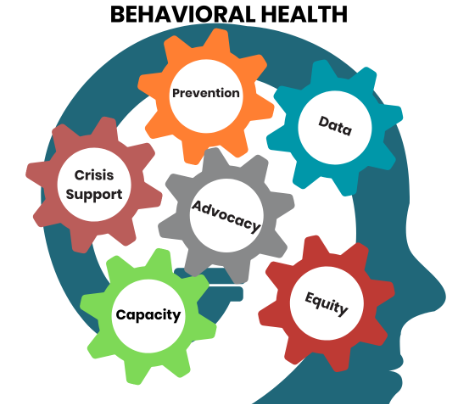
Good health extends beyond physical fitness. Thoughts, emotions, behaviors, and daily habits all influence overall well-being, making behavioral health an essential part of a healthy lifestyle. It focuses on how people think, feel, and act while addressing the emotional, psychological, and behavioral factors that affect quality of life.
Today, healthcare professionals, employers, schools, and communities increasingly recognize the importance of behavioral health in supporting healthier individuals and stronger communities. Early intervention, education, and access to appropriate care can help people manage challenges while improving long-term wellness.
This guide explains behavioral health, its importance, common conditions, treatment approaches, and practical strategies for maintaining emotional and mental well-being.
Behavioral Health Quick Overview
| Category | Details |
|---|---|
| Primary Focus | Emotional, mental, and behavioral well-being |
| Goal | Improve overall quality of life |
| Common Services | Counseling, therapy, prevention, support |
| Main Beneficiaries | Individuals of all ages |
| Key Areas | Mental wellness, behavior, emotional health |
| Long-Term Benefit | Healthier individuals and communities |
What Is Behavioral Health
Behavioral health refers to the connection between behaviors, emotions, thoughts, and overall health. It includes mental well-being, emotional resilience, healthy habits, and support for conditions that influence daily functioning.
The concept extends beyond treating illnesses by encouraging prevention, education, healthy coping strategies, and long-term wellness.
Why Behavioral Health Matters
Strong behavioral health supports nearly every aspect of life, including relationships, education, work performance, and physical health.
Its importance includes:
- Better emotional well-being
- Improved decision-making
- Healthier relationships
- Increased productivity
- Better stress management
- Enhanced quality of life
Supporting behavioral wellness benefits both individuals and society.
Behavioral Health And Mental Health
Although the terms are often used interchangeably, they are not exactly the same.
Mental Health
Mental health primarily focuses on emotional, psychological, and cognitive well-being.
Behavioral Health
Behavioral health includes mental health while also considering habits, behaviors, substance use, lifestyle choices, and the way actions influence overall wellness.
Understanding this broader perspective helps create more comprehensive healthcare strategies.
Factors That Influence Behavioral Health
Many different factors contribute to emotional and behavioral well-being.
Common influences include:
Family Environment
Supportive family relationships often promote healthier emotional development and resilience.
Physical Health
Regular exercise, proper nutrition, and sufficient sleep positively affect emotional wellness.
Education
Education improves awareness of healthy coping skills and encourages informed healthcare decisions.
Social Connections
Healthy friendships and community support contribute to stronger emotional well-being.
Life Experiences
Major life events, work responsibilities, financial pressures, and personal relationships can influence behavioral wellness.
Common Behavioral Health Conditions
Healthcare professionals provide support for a wide range of concerns affecting emotional and behavioral well-being.
Examples include:
- Anxiety-related conditions
- Depression
- Stress-related challenges
- Substance use disorders
- Eating disorders
- Trauma-related conditions
- Sleep-related concerns
Early recognition often supports better long-term outcomes.
Signs That Support May Be Helpful
Recognizing changes in thoughts, emotions, or behaviors can encourage individuals to seek appropriate assistance when needed.
Possible signs include:
- Persistent sadness
- Difficulty concentrating
- Significant mood changes
- Withdrawal from social activities
- Ongoing stress
- Changes in sleeping habits
- Loss of interest in daily activities
These experiences vary from person to person, making professional evaluation important when symptoms continue.
Treatment Options
There is no single approach that works for everyone. Treatment plans are often personalized based on individual needs.
Common treatment options include:
Counseling
Professional counseling helps individuals explore thoughts, emotions, and coping strategies in a supportive environment.
Therapy
Different forms of therapy help people manage emotional, behavioral, and psychological challenges.
Lifestyle Changes
Healthy routines, exercise, nutrition, and sleep habits can positively influence overall wellness.
Medication
When appropriate, healthcare providers may recommend medication as part of a broader treatment plan.
Prevention And Early Intervention
Preventive care plays a major role in supporting behavioral health throughout life.
Helpful preventive strategies include:
- Stress management
- Healthy communication
- Regular physical activity
- Emotional awareness
- Community support
- Routine healthcare visits
Early intervention can often reduce the impact of future health challenges.
Behavioral Health In The Workplace
Employers increasingly recognize that supporting behavioral health creates healthier, more productive work environments. Organizations that invest in employee well-being often experience higher engagement, improved collaboration, and reduced absenteeism.
Common workplace initiatives include:
- Employee assistance programs
- Mental wellness workshops
- Flexible work arrangements
- Stress management resources
- Confidential counseling services
Creating a supportive workplace encourages employees to seek help when needed without fear of stigma.
Behavioral Health In Schools
Schools also play an important role in promoting behavioral health among children and adolescents. Early education about emotional well-being helps students develop healthy coping skills that can benefit them throughout life.
Examples of school-based support include:
- Student counseling
- Social and emotional learning programs
- Peer support initiatives
- Anti-bullying campaigns
- Mental wellness education
These programs contribute to healthier learning environments and improved academic outcomes.
Community Support And Healthcare Access
Communities strengthen behavioral health by providing accessible services and supportive environments. Local healthcare providers, nonprofit organizations, and community groups often work together to improve access to care.
Community support may include:
- Wellness education
- Crisis support services
- Support groups
- Preventive health programs
- Community outreach events
Accessible resources help individuals receive assistance before challenges become more serious.
Technology And Behavioral Health
Digital healthcare continues expanding access to behavioral health services. Technology allows many individuals to receive professional support even when in-person appointments are difficult.
Popular digital solutions include:
- Telehealth appointments
- Mental wellness applications
- Online counseling platforms
- Remote follow-up care
- Educational resources
These innovations improve convenience while expanding healthcare accessibility.
Benefits Of Early Treatment
Seeking support early can significantly improve long-term outcomes for many individuals experiencing emotional or behavioral concerns.
Potential benefits include:
- Earlier identification of concerns
- Improved coping skills
- Better daily functioning
- Stronger personal relationships
- Reduced long-term complications
- Improved overall well-being
Early care often allows individuals to address challenges before they become more complex.
Practical Ways To Support Behavioral Health
Maintaining behavioral health involves consistent daily habits that support emotional resilience and overall wellness.
Helpful practices include:
- Maintaining regular physical activity
- Eating a balanced diet
- Getting adequate sleep
- Practicing relaxation techniques
- Building supportive relationships
- Seeking professional guidance when appropriate
Small lifestyle improvements can have a meaningful impact over time.
Future Of Behavioral Health
Healthcare systems continue expanding services that improve behavioral health through innovation, prevention, and community partnerships.
Future developments may include:
- Expanded telehealth access
- Greater workplace wellness programs
- Improved community services
- Better integration with primary healthcare
- Increased public awareness campaigns
These efforts aim to make care more accessible while encouraging long-term emotional well-being.
Discover More Expert Wellness Insights
Stay informed with trusted, research-based articles covering healthcare, wellness, technology, business, finance, and lifestyle topics. Editorial-style guides help explain complex subjects in a practical and easy-to-understand way, making it easier to stay updated with reliable information and make informed decisions in everyday life.
Final Thoughts
Behavioral health is an essential part of overall wellness that influences how people think, feel, and respond to life’s challenges. By combining prevention, education, healthy lifestyle choices, and timely professional support, individuals can strengthen emotional resilience and improve their quality of life.
As awareness continues to grow, investments in behavioral health services, community programs, and accessible healthcare will remain important for creating healthier individuals, stronger families, and more supportive communities.
Continue Exploring Behavioral Health With Editoriala
Looking to learn more about behavioral health and related wellness topics? Editoriala publishes in-depth, research-driven articles that simplify healthcare trends, mental wellness, preventive care, and public health developments. Explore more expert guides to stay informed, discover practical insights, and deepen your understanding of behavioral health and other important topics shaping everyday life.
Frequently Asked Questions
What is behavioral health?
Behavioral health refers to the connection between behaviors, emotions, mental well-being, and overall health, including prevention, treatment, and long-term wellness support.
How is behavioral health different from mental health?
Mental health focuses primarily on emotional and psychological well-being, while behavioral health also considers habits, behaviors, lifestyle choices, and their impact on overall health.
Why is behavioral health important?
It supports emotional wellness, healthy relationships, better decision-making, stress management, and improved quality of life.
What services are included in behavioral health?
Common services include counseling, therapy, preventive care, support programs, lifestyle guidance, and, when appropriate, medication management.
Can behavioral health affect physical health?
Yes. Emotional well-being, stress levels, sleep, nutrition, and daily behaviors can all influence physical health outcomes.
When should someone seek behavioral health support?
Individuals should consider seeking professional guidance if emotional or behavioral challenges begin affecting daily life, relationships, work, or overall well-being.
How can communities improve behavioral health?
Communities can improve behavioral health by expanding healthcare access, promoting education, supporting prevention programs, reducing stigma, and encouraging early intervention.