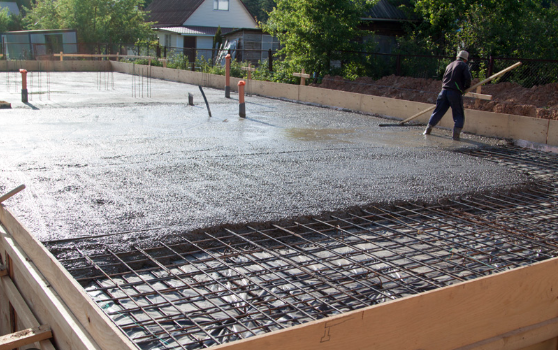
A strong foundation is one of the most important parts of any building. It supports the entire structure, distributes weight evenly, and helps protect the property from settlement and structural damage. Among the various foundation options available today, the slab foundation is one of the most widely used because of its simplicity, durability, and cost-effectiveness.
Whether you are planning to build a new home, purchase an existing property, or simply learn more about construction, understanding how this foundation works is essential. It is commonly used in residential, commercial, and industrial projects, especially in regions where soil conditions and climate make it a practical choice.
A well-built foundation provides long-term stability while reducing maintenance requirements. However, choosing the right type of foundation requires careful consideration of soil conditions, drainage, climate, and building requirements.
This guide explains everything you need to know about slab foundations, including their types, advantages, construction process, maintenance, repair methods, costs, and best practices for long-term performance.
What Is a Slab Foundation?
A slab foundation is a single layer of reinforced concrete poured directly onto prepared ground. Unlike crawl space or basement foundations, it rests close to ground level and serves as the structural base for the building.
Before pouring concrete, builders prepare the site by leveling the ground, compacting the soil, installing a gravel base, placing reinforcement materials, and positioning plumbing or utility lines that will run beneath the floor.
Once completed, the concrete slab becomes both the foundation and the floor of the structure.
This type of foundation is commonly used because it is relatively quick to construct and requires fewer materials than some alternative foundation systems.
Why Slab Foundation Is Popular
Many homeowners and builders prefer this foundation because it offers a balance of affordability, strength, and efficiency.
Some of the major advantages include:
Faster Construction
Compared to basement foundations, construction generally takes less time because there is no need for extensive excavation.
Lower Construction Costs
Fewer materials and reduced labor requirements often make this option more economical.
Excellent Structural Stability
When properly designed and installed, the concrete provides strong support for residential and commercial buildings.
Reduced Pest Problems
Since there is no crawl space beneath the structure, pests such as rodents and insects have fewer places to hide.
Low Maintenance
A properly installed concrete foundation typically requires minimal routine maintenance compared to other foundation types.
Types of Slab Foundation
Different construction projects require different foundation designs. The most suitable option depends on soil conditions, climate, building size, and engineering requirements.
Monolithic Slab
A monolithic slab is poured as a single piece of concrete.
Its characteristics include:
- Quick installation
- Lower labor costs
- Suitable for stable soil
- Common in residential construction
This is one of the most frequently used options for single-family homes.
Stem Wall Slab
A stem wall foundation combines concrete footings with a concrete slab.
Benefits include:
- Better elevation above ground
- Improved moisture protection
- Additional structural support
- Suitable for uneven sites
Builders often choose this option where additional height is beneficial.
Post Tension Slab
Post tension systems use steel cables inside the concrete.
After the concrete cures, the cables are tightened to increase strength.
Advantages include:
- Greater resistance to cracking
- Improved structural performance
- Better support on expansive soils
- Reduced concrete thickness in some applications
Many modern developments use this design because of its durability.
Components of a Slab Foundation
Several important elements work together to create a strong and reliable foundation.
Compacted Soil
The construction process begins with properly compacted soil to reduce future settlement.
Gravel Base
A layer of gravel improves drainage and provides a stable surface for the concrete.
Vapor Barrier
Plastic sheeting helps reduce moisture movement from the ground into the building.
Reinforcement
Steel reinforcement bars or welded wire mesh improve strength and reduce cracking.
Concrete
High-quality concrete forms the main structural element of the foundation.
Construction Process
Building a strong foundation requires careful planning and proper execution.
Site Preparation
The construction area is cleared of vegetation, debris, and unsuitable soil.
The ground is then graded and leveled.
Excavation
Only shallow excavation is typically required compared to basement construction.
Installing the Base
Workers spread and compact gravel to create a stable base.
Drainage systems may also be installed if necessary.
Utility Installation
Water supply, sewer, electrical conduits, and other underground utilities are positioned before concrete is poured.
Reinforcement Placement
Steel reinforcement is installed according to engineering specifications.
Proper spacing is critical for structural strength.
Concrete Pouring
Concrete is poured evenly across the prepared area and finished to create a smooth surface.
Proper curing is essential for maximum strength.
Advantages of Choosing a Slab Foundation
Homeowners appreciate this foundation for many practical reasons.
Energy Efficiency
Buildings constructed on concrete slabs often experience reduced air leakage beneath the floor.
Moisture Control
Proper drainage and vapor barriers help limit moisture intrusion.
Accessibility
Ground-level construction allows easier access without stairs leading to crawl spaces or basements.
Long Service Life
With proper installation and maintenance, concrete foundations can remain reliable for many decades.
Lower Maintenance Costs
Fewer structural components generally result in reduced maintenance requirements over time.
Common Problems With a Slab Foundation
Although a well-built slab foundation is highly durable, it can still experience issues over time because of environmental conditions, soil movement, or construction errors.
Foundation Cracks
Small surface cracks are common as concrete cures. However, wide or expanding cracks may indicate settlement or structural movement and should be inspected by a qualified professional.
Uneven Settlement
If the soil beneath the slab shifts or compresses unevenly, parts of the building may settle at different rates. This can lead to sloping floors, wall cracks, or doors and windows that no longer close properly.
Moisture Problems
Poor drainage around a building can allow water to collect near the foundation. Excess moisture may weaken the supporting soil and increase the risk of movement over time.
Plumbing Leaks
Many water pipes are installed beneath the concrete slab. A hidden leak can damage the surrounding soil, increase water bills, and eventually affect the stability of the foundation.
Soil Expansion
In areas with expansive clay soil, moisture changes can cause the ground to expand and contract. This repeated movement places stress on the foundation and may contribute to cracking.
Slab Foundation Maintenance Tips
Routine maintenance helps extend the life of a foundation and reduces the likelihood of expensive repairs.
Maintain Proper Drainage
Ensure that rainwater flows away from the building. Clean gutters regularly and position downspouts so water does not collect near the foundation.
Monitor Cracks
Inspect the concrete and interior walls periodically. Small cosmetic cracks may be harmless, but growing or uneven cracks should be evaluated.
Prevent Water Accumulation
Avoid allowing sprinklers or hoses to keep the soil around the foundation constantly wet. Balanced soil moisture helps reduce movement.
Check Plumbing Systems
Regular plumbing inspections can detect hidden leaks before they become major structural concerns.
Maintain Landscaping
Trees and large shrubs should be planted at an appropriate distance from the building because extensive root systems can influence soil moisture.
Repair Methods
When problems develop, selecting the correct repair method depends on the cause and severity of the damage.
Crack Repair
Minor cracks can often be sealed using specialized repair materials to prevent water intrusion.
Slab Jacking
This method lifts sections of a settled slab by injecting material beneath the concrete to restore its original position.
Pier Installation
Steel or concrete piers may be installed beneath the foundation to provide additional long-term support where settlement has occurred.
Drainage Improvements
Improving site drainage can reduce water-related foundation movement and help prevent future problems.
Plumbing Repairs
If underground pipes are leaking, repairs should be completed promptly before addressing cosmetic damage inside the building.
Factors That Affect Slab Foundation Costs
Construction and repair costs vary depending on several important factors.
Common cost considerations include:
- Size of the building
- Soil conditions
- Concrete thickness
- Reinforcement requirements
- Local labor rates
- Site preparation
- Drainage systems
- Engineering specifications
- Utility installation
- Geographic location
Obtaining multiple estimates from qualified contractors can help homeowners make informed decisions.
Slab Foundation vs Crawl Space
Each foundation type offers different advantages.
Slab Foundation
Benefits include:
- Lower construction costs
- Faster installation
- Reduced maintenance
- Better resistance to pests
- Greater energy efficiency
Crawl Space
Benefits include:
- Easier access to plumbing and electrical systems
- Better flexibility for future utility repairs
- Additional ventilation beneath the home
The best choice depends on climate, soil conditions, and homeowner preferences.
Slab Foundation vs Basement
Basement foundations provide additional living or storage space, while slab foundations focus on simplicity and efficiency.
A basement may be beneficial where extra interior space is important, but construction generally requires greater excavation, higher costs, and more extensive waterproofing.
A slab foundation is often selected in warmer climates where basements are less common and ground conditions are favorable.
Signs That a Foundation Needs Attention
Early identification of problems can reduce repair costs.
Watch for these warning signs:
- Large wall cracks
- Uneven floors
- Doors that stick
- Windows that become difficult to open
- Visible gaps around window frames
- Cracks in exterior brickwork
- Water pooling near the building
- Sudden plumbing issues
Professional inspections are recommended if multiple warning signs appear.
Best Practices for Long Lasting Performance
Homeowners and builders can improve the lifespan of a foundation by following proven construction and maintenance practices.
Recommendations include:
- Use qualified contractors.
- Follow engineering specifications.
- Ensure proper soil preparation.
- Install effective drainage systems.
- Use quality concrete materials.
- Inspect the property regularly.
- Address repairs promptly.
- Maintain consistent soil moisture around the structure.
These practices contribute to improved structural stability and long-term durability.
Future Trends in Foundation Construction
Construction technology continues to improve foundation design and performance.
Some emerging developments include:
- Advanced concrete mixtures
- Improved reinforcement materials
- Smart moisture monitoring systems
- Sustainable construction practices
- Better soil stabilization methods
- Digital construction planning
- Enhanced quality control techniques
- Environmentally friendly building materials
These innovations aim to improve durability while reducing maintenance and construction costs.
If you want to explore more practical home improvement resources and information related to slab foundation, visit editoriala.com. The website offers useful content covering construction topics, property maintenance, building techniques, and homeowner guidance to help you make informed decisions before starting your next residential or commercial project.
Final Thoughts
A slab foundation remains one of the most practical and widely used foundation systems for modern construction. Its affordability, durability, quick installation, and low maintenance requirements make it an excellent choice for many residential and commercial buildings.
Understanding the different types, construction methods, maintenance practices, and repair options allows property owners to protect their investment for many years. By working with experienced professionals and addressing small issues early, you can ensure your foundation continues to provide reliable structural support throughout the life of the building.
Frequently Asked Questions
What is a slab foundation?
A slab foundation is a single layer of reinforced concrete poured directly onto prepared ground to support a building.
How long does a slab foundation last?
When properly designed, constructed, and maintained, a slab foundation can last for many decades, often exceeding 50 years.
Is a slab foundation suitable for every climate?
It performs well in many regions, particularly where deep frost and basement construction are not common. Local soil and climate conditions should always be considered.
What causes cracks in a slab foundation?
Cracks may result from normal concrete curing, soil movement, moisture changes, settlement, or structural stress.
Can a damaged slab foundation be repaired?
Yes. Depending on the issue, repairs may include crack sealing, slab jacking, pier installation, drainage improvements, or plumbing repairs.
How can I prevent foundation problems?
Maintain proper drainage, monitor for cracks, repair plumbing leaks quickly, avoid excessive soil moisture changes, and schedule regular inspections.
Is a slab foundation less expensive than a basement?
In many cases, yes. Slab foundations generally require less excavation, fewer materials, and shorter construction times, making them more cost effective.
Should I inspect my foundation regularly?
Yes. Routine inspections help identify small problems early, reducing the risk of more extensive and costly repairs in the future.